
文章目录
Charley Shen has spent the last 15+ years inside the hardware supply chains that power global products, starting from components, moving through sourcing, and now helping overseas founders scale full-stack hardware products from Shenzhen.
Charley Shen 在硬件供应链一线深耕超过 15 年,从电子元器件切入,经历采购与代工体系,如今长期帮助海外创业者在深圳把硬件产品从原型推进到量产落地。
In this interview, Charley breaks down in his own words where overseas founders go wrong, why quotes vary so much, and what execution actually takes when hardware gets real. Whether you’re prototyping an IoT device, preparing for mass production, or trying to avoid contractor traps, this is the kind of grounded insight most founders only learn after expensive mistakes.
在这次对话中,Charley 用非常直接、务实的方式拆解了海外创业者最常踩的坑:为什么会走弯路?为什么同一个产品报价能差这么多?当硬件进入真正执行阶段,到底需要什么样的能力与结构?
无论你正在做 IoT 原型,准备进入量产,还是想避免被层层外包/中间商“套住”,这篇内容都属于那种多数创业者通常要交过学费才会明白的“实战经验”。
海外创业者初来深圳,最常犯的错误有哪些?
Q1: What are the top mistakes overseas founders make when they come to Shenzhen?
Charley:
First, they start sourcing too early before specs are locked in. That leads to rework, delays, and scrap.
Second, they chase the lowest price without understanding what’s actually included. That often leads to quality or delivery issues later.
Third, they underestimate coordination costs, time zones, language, engineering assumptions. Misunderstandings pile up.
It keeps happening because Shenzhen feels fast and cheap on the surface, but hardware still needs structure and discipline.
Charley:
第一,是在产品规格还没定死之前就开始找供应商、谈采购。这会导致规格反复变更,进而出现返工、延期、材料报废等问题。
第二,是只盯最低报价,却没有搞清楚报价到底包含什么、不包含什么。很多“表面省下来的钱”,最后会以质量问题或交付问题的形式加倍付回去。
第三,是低估协同与沟通成本,时差、语言、工程理解差异等,会导致反复误解,问题不断叠加。
这些事情反复发生,是因为深圳在表面上看起来“又快又便宜”,但硬件要真正落地,依然需要结构化的管理方法和执行纪律。
硬件项目最容易在哪个阶段“死掉”?
Q2: Which stage actually kills the most hardware projects?
Charley:
Scaling and DFM.
Prototypes can be hacked together. But when you try to scale, things break: tooling, yield, consistency, cash flow.
Suddenly, the factory tells you your prototype isn’t manufacturable. You spend six months redoing everything, tooling, certifications, supply chain and miss your market window.
Charley:
最容易出问题的阶段是 DFM(可制造性设计)和量产(Scaling)。
原型一般都能做出来,哪怕是“拼出来”也可以。但一旦进入量产,就会暴露各种问题:模具、良率、一致性、现金流。
很常见的情况是:你做出了一个看起来很漂亮的原型,但工厂告诉你“这个根本没法量产”。接下来你会花六个月重新设计、重新开模、重做认证、重新调整供应链,最后直接错过市场窗口期。

为什么深圳同一个产品的报价差距会这么大?
Q3: Why do quotes for the same product vary so much in Shenzhen?
Charley:
A few reasons. Even with the same BOM, suppliers may use different parts, original vs refurbished.
The size and tier of the CM matters too. You can’t expect Foxconn pricing to match a 100-person shop.
And if a client has worked with a supplier for years, they’ll get better support than a newcomer asking for a one-off quote.
Charley:
原因有很多。哪怕 BOM 看起来一样,供应商也可能用不同的物料,比如用原装件还是翻新件。
代工厂的规模和层级也会直接影响报价。你不能指望富士康的报价和一家一百人的小型 CM 一样。
另外,就算是同一个供应商,对客户的报价也可能不同。如果客户本身很专业、和工厂长期合作、做过很多订单,自然会拿到更好的支持和价格;而一个第一次来的新客户,报价通常不会一样。
如果只在深圳待 7 天,如何做一个最有效的安排?
Q4: If a founder only has 7 days in Shenzhen, how should they spend it?
Charley:
Here’s a no-BS schedule:
-
Day 1–2: Deep dive into the design/spec with our engineers. Understand what kind of CM and parts are truly needed.
-
Day 3–4: Visit 2–3 shortlisted CMs. Discuss real production risks with their management team.
-
Day 5: Compare findings. Highlight the key issues and potential red flags.
-
Day 6: Pick a top CM. Get detailed cost breakdowns and validate the supply chain.
-
Day 7: Nail down contract terms, not just with the CM, but the broader supply chain roles and responsibilities.
Charley:
如果是我的话,7 天大概可以这样安排:
-
第 1–2 天: 深入沟通产品设计与规格,必要时让工程师一起参与,确认这个产品到底需要什么类型的 CM 和哪些关键供应商资源。
-
第 3–4 天: 筛选供应商并实地审核,拜访 2–3 家最有潜力的 CM,与他们的管理层深入讨论生产难点和关键风险点。
-
第 5 天: 回顾 CM 拜访结果,对比不同工厂的解决方案,明确后续监控的关键点。
-
第 6 天: 选出最合适的 CM,深入谈成本拆解,并进入供应链验证环节。
-
第 7 天: 尽量敲定合同关键条款,不仅是与 CM 的合同,更重要是供应链管理协作的合同,包括角色分工与责任边界。
为什么有些报价看起来很便宜,最后反而更贵?
Q5: Why do some quotes look great on paper but end up costing founders more in the long run?
Charley:
Super low quotes usually shift risk to the customer. A factory might give you a cheap price to win the contract, then hit you with “material price hikes” or “unexpected engineering fees” later. Or they cut corners, like skipping final QC to preserve their margin.
Charley:
超低报价通常意味着把风险转移给客户。工厂可能用一个很低的价格先把合同签下来,但等你锁定之后,就开始不断追加,比如“原材料涨价”、“工程费增加”等等。
更糟糕的情况是,为了保住利润,他们会直接偷工减料,比如跳过最终质检(Final QC)。

外籍团队 vs 深圳本地团队,真正差别是什么?
Q6: What’s the real difference between working with foreign-run firms and fully local Shenzhen teams?
Charley:
Foreign firms usually provide better documentation and smoother communication, but they’re slower and more expensive. Local teams are faster and cheaper but need tighter oversight.
Personally, I recommend founders work with a supply chain management firm like OFD. Without someone local keeping everyone accountable, “yes” can just mean “I heard you,” not “I will do it.”
Charley:
外籍团队通常沟通更顺、文档更完整,但速度更慢、成本更高。深圳本地团队更快、更便宜,但需要更强的管理与把控。
我个人更建议海外创业者与像 OFD 这样的供应链管理公司合作,作为一个本地“桥梁”,确保事情能交付。
因为如果没有本地人盯,“Yes”很多时候只是“我听懂你在说什么”,并不等于“我同意并会去做”。
如何避免被二手、三手、四手外包链条套住?
Q7: How can founders avoid getting stuck in a chain of contractors and middlemen?
Charley:
Work with someone who can take you directly to the CM or component supplier—and ideally, support your mass production too. If they can help with engineering or second-stage development, you’re likely talking to the right partner.
Charley:
找一个能够直接带你对接 CM 或关键供应商的人合作。如果这个伙伴还能参与量产阶段的二次开发或工程协作,那基本可以确定你找对了人。
从原型到量产,最常出现的“隐形问题”是什么?
Q8: After prototyping, what invisible issues tend to appear in real projects?
Charley:
We see issues like certification rework, component lifecycle mismatches, long lead-time risks, or logistics delays. Founders often underestimate how these affect cost, time, or consistency at scale.
Charley:
我们看到最多的隐形问题包括:认证返工、元器件生命周期不匹配、长交期风险、物流运输与发货节奏问题等。
很多创业者低估了这些因素对成本、周期、以及量产一致性的影响。
在深圳,IP 风险真正是什么?哪些保护手段有效?
Q9: What IP risks are real in Shenzhen—and what protection actually works?
Charley:
The real risk isn’t someone stealing your idea, it’s losing control of your firmware, tooling, or design know-how.
An NDA helps, but structure matters more. Fragment your supply chain: let Factory A do housings, Factory B the PCBA, and flash the final firmware yourself or in a secure place.
Charley:
真正的风险不是别人“抄你的创意”,而是别人拿走你的固件(firmware)、模具、工艺 know-how 或关键设计经验。
签 NDA 有帮助,但更重要的是结构化的执行策略:把供应链拆开,比如 A 厂做外壳、B 厂做 PCBA,最后固件刷写由你自己或在一个更安全的场所完成。不要把所有核心都交给同一个点。

你在 OFD 之前做什么?是什么促使你在 2016 年创办 OFD?
Q10: What were you doing before OFD and what made you start it in 2016?
Charley:
I worked in supply chain at Huawei and in HR at P&G, then joined a U.S.-headquartered component distributor, eventually becoming MD of its Hong Kong office.
I understood both the supply chain strengths here and the gaps foreign SMEs face. OFD was created to bridge that, to help overseas founders bring prototypes to scalable production inside China’s hardware ecosystem.
Charley:
我之前在华为做供应链,在宝洁做 HR。后来加入一家美国总部的电子元器件分销商,在香港工作,几年后升任香港总经理。
这些经历让我既理解中国供应链体系的优势,也理解海外中小企业在从原型走向量产时的真实困难。OFD 就是为了解决这个“断点”而建立的,桥接“海外设计”与“中国制造”,帮助海外团队在中国供应链生态里走通量产落地。
OFD 从采购/产品开发走向软硬件一体化,最痛的转型是什么?
Q11: OFD evolved from sourcing into full-stack integration. What was the hardest part of that transition?
Charley:
Shifting mindset. We moved from being pure supply chain consultants to managing full hardware-software co-development. That meant building (and partnering with) engineering teams who understand both layers deeply. R&D cycles got longer, and we had to be more patient and more structured.
Charley:
最难的是团队心态的转变。我们从“纯供应链顾问”变成要做“软硬件联合开发”的团队。
这意味着需要搭建或紧密合作一支真正懂硬件和软件的工程团队。研发周期会比简单采购更长,所以需要更有耐心,也需要更结构化的项目管理方式。
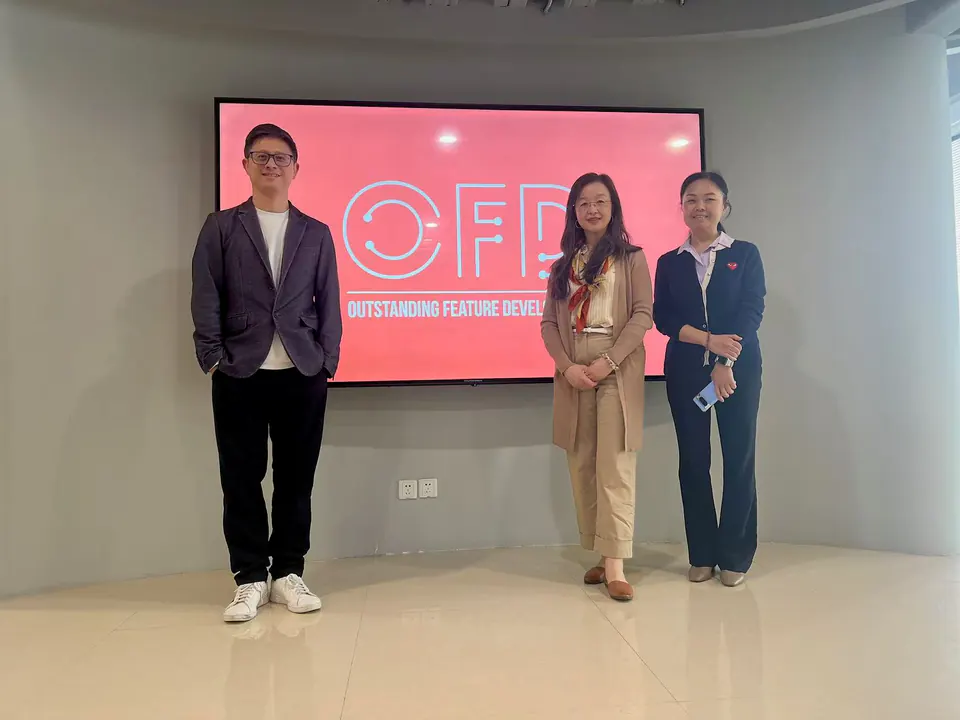
什么项目适合 OFD?什么项目你们会拒绝?
Q12: What kinds of projects is OFD a good fit for and which ones do you turn down?
Charley:
We look for long-term partners. Most of our clients work with us for years.
We say no to one-time deals or founders who focus only on lowest price or keep changing roadmaps. That kind of short-term mindset leads to problems later.
Charley:
我们更希望做长期合作,很多客户都和我们合作很多年,甚至成为战略伙伴。
我们会拒绝一次性买卖,也会拒绝那种只看最低价、或者路线图不断变化、短视决策的客户,因为这种项目后期问题一定更多。
你们每年大概做多少项目?客户主要来自哪里?
Q13: How many projects do you handle per year and who are your typical clients?
Charley:
We handle more than 10 serious projects a year, not counting early-stage inquiries.
Most clients are from North America, Europe, and Latin America, across IoT, industrial, and smart device sectors.
Charley:
我们每年会落地十几个以上的项目(这里只计算已经成交并成功推进的项目,不包括还在询盘阶段的)。
客户主要来自北美、欧洲、拉美,行业覆盖 IoT、工业设备、智能硬件等。
你们核心团队很精简,同时也依赖合作伙伴网络,如何划分内外?
Q14: OFD runs lean, but relies on a partner network. How do you decide what stays in-house?
Charley:
Project management and system architecture stay in-house, that’s our brain. Specialized tooling or assembly is outsourced.
We follow a “trust but verify” model: our engineers are on-site for every milestone run. Every shipment gets inspected. We act like the client’s local team here in China.
Charley:
项目管理(PM)和系统架构一定要在内部完成,这是我们的大脑;一些专业工序比如组装、模具,会外包给成熟伙伴。
在协作方式上,我们强调“Trust but Verify(信任但验证)”:每一次关键节点试产(Milestone run),我们的工程师都会在工厂现场盯产线;每一批货出货前都会做质检。我们对客户的责任,就像他们在中国的本地团队一样。

能不能举一个实际项目例子?最难的点是什么?最先崩的是哪里?
Q15: Can you give an example of a tough project, what broke, and how you handled it?
Charley:
One project was an edge gateway for a major hotel group.
We had to design a new architecture using a key IC with a long lifecycle, manage thermal performance, and ensure compatibility between hardware and firmware.
Then the IC hit sudden shortages due to demand from other industries. That broke our supply plan. We had to work fast with the customer to redesign and revalidate—without delaying production.
Charley:
我们做过一个 Edge Gateway 项目,客户是全球最大的连锁酒店集团之一。
他们的需求是基于酒店网络的特殊架构,重新设计并量产一款网关设备。技术挑战很多,比如:新架构设计、核心 IC 的选型、散热管理、硬件/固件/软件兼容性等。
供应链层面,由于酒店行业的产品生命周期较长,我们必须选用长期供货的元器件,避免 EOL 或“不建议新设计”的物料。
这个项目最先崩在核心 IC:因为其他行业突然需求暴涨,导致关键芯片交期一下子拉长,直接打乱供应计划。我们必须快速联动客户重新设计并重新验证,但同时还要尽量避免影响量产计划。
AI 正在进入设备与机器人时代,从深圳视角看,对海外创业者意味着什么?
Q16: CES made it clear that AI is moving into physical devices. From Shenzhen’s view, what changes for overseas founders?
Charley:
What gets harder is integration: power, thermals, performance, compliance, supply chain, all at once. A prototype might look great, but fail at scale if you don’t manage this upfront.
What gets easier is access. In Shenzhen, founders can build with proven AI chips, edge modules, and robotic components. What used to take years now takes months with the right partner.
The winners won’t be generic AI toys. They’ll be vertical, application-specific products: smart manufacturing, medical, industrial wearables, and robotics with real value.
Charley:
更难的部分在于集成:功耗、散热、实时性能、认证合规、供应链可控性,这些必须同时成立。一个看起来很强的原型,如果前期不把这些风险管理好,到了量产阶段会迅速崩盘。
但更容易的部分在于资源获取:在深圳,AI 芯片、边缘计算模组、机器人零部件和成熟制造平台已经非常完善。过去海外供应链体系可能需要几年才能完成的开发,现在在深圳可能几个月就能推进完成,前提是你有合适的本地伙伴。
真正会赢的,不是泛泛的 AI 玩具,而是垂直场景、应用驱动的产品:工业 + AI、智能制造、医疗设备、专业穿戴、机器人,甚至 AI 陪伴设备,但必须是“真正有价值”,而不是只会聊天的“玩具”。
